ENVIRONMENTAL EDUCATION ALLIANCE
advancing nature experiences, outdoor learning, and environmental ed for every GA child
GOAL #1 : High Quality Education
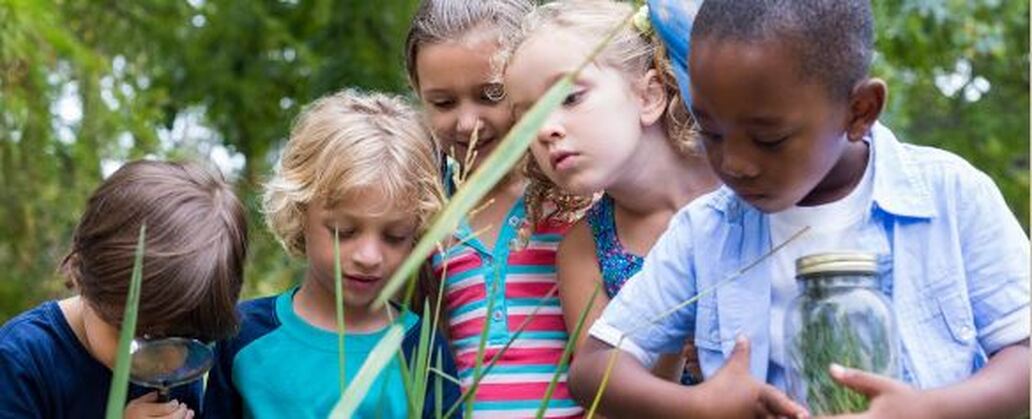
To drive excellence and spark innovation in the field; translate research into best practices; share exemplary models, methods, and materials; support and build capacity of teachers and non-formal educators to engage children in environmental problem-solving. |
GOAL #2: Advancing the Field
To demonstrate the collective impact of environmental and outdoor education; foster collaboration; mobilize support and encourage investment in resources including outdoor spaces, professional development, and student supplies. |
GOAL #3: Equitable Access
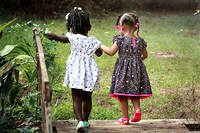
To ensure that every Georgia child has access to nature and is included and engaged in relevant, place-based foundational outdoor experiences that result in affinity and appreciation for the natural world. |
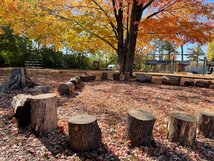
Free Schoolyard Forest Design LecturesLearn about schoolyard forest designs that prioritize "green infrastructure:" methods of slowing the flow of runoff during a storm and allowing it to soak into the ground. This presentation is provided by Green Schoolyards America.
|
|
CoOL hosts an annual Outdoor Learning Symposium, manages the Outdoor Learning Collaboratory to identify best practices in design and use of outdoor learning spaces, created the Outdoor Learning Toolkit, manages the Georgia Schoolyard Forest Network, advocates for outdoor education to engage all children in nature experiences, field investigations, problem-solving and stewardship. |
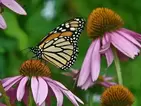
MAG offers educator workshops using the Monarchs, Milkweed and More curriculum, hosts a biennial Pollinator Symposium, teaches land managers, garden clubs and schools how to restore native habitat, certifies pollinator habitats that demonstrate best practices, manages the annual Symbolic Migration as part of Journey North, and provides pollinator habitat grants. |
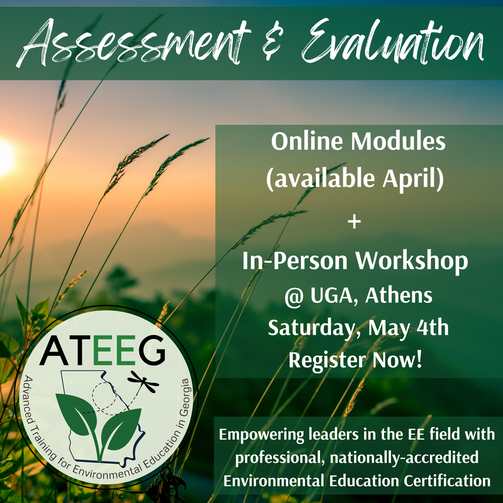
ATEEG is a nationally-accredited certification program for pK-12 teachers, professors, and non-formal environmental educators. It consists of three core courses and an independent project. Each core course is offered in a hybrid format that includes an in-person workshop, self-paced modules, and interactive webinars. Georgia and out-of-state candidates welcome. |
Georgia Project WET is a water education program that envisions a world in which action-oriented education enables every child to understand and value water, ensuring a sustainable future. Project WET promotes awareness, knowledge, and stewardship of water resources by creating and distributing teaching materials and conducting educators workshops. |
Rivers Alive is Georgia's volunteer waterway cleanup program. It aims to keep all watersheds within the state trash-free and encourages volunteers to target streams, rivers, lakes, beaches, and wetlands to help to protect our waterways. The mission of Rivers Alive is to create awareness of and involvement in the preservation of Georgia's water resources. |
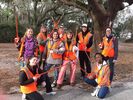
Georgia Adopt-A-Stream (AAS) is the state's volunteer water quality monitoring program. Since 1993, the program has engaged citizen scientists all across Georgia and beyond in water protection activities, through a series of educational workshops which train individuals on the physical, chemical and biological health of their waterways. |
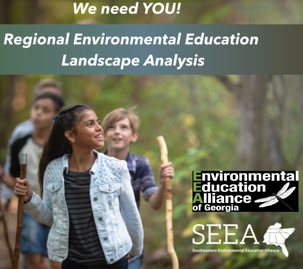
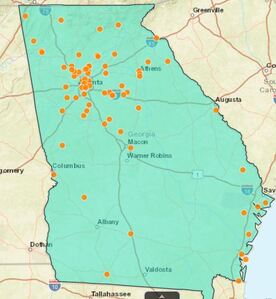
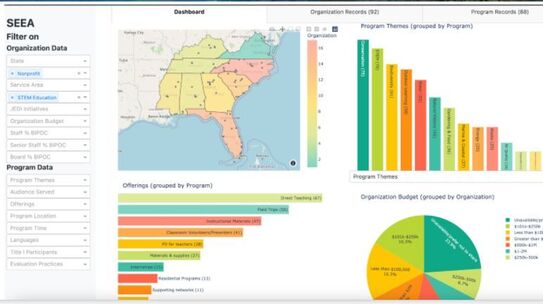
EE Landscape Analysis The EE Landscape Analysis was designed to find out more about environmental education (EE) in the southeast. EEA surveyed outdoor learning and EE providers and schools in Georgia. In partnership with seven other regional states, the data was analyzed and used to create maps and a suite of planning tools. The findings of this survey reveal strengths and needs throughout our state, and help prioritize action items of the eeCEO Roundtable. |
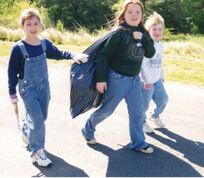
Outdoor Learning Collaboratory EEA is asking educators, property managers, and landscape architects to share their expertise and ideas about best practices in outdoor learning... from designing and creating spaces to fostering student-directed learning, and sustaining programs long-term. Our goal is to develop best practices and case studies in partnership with the National Project for Excellence in Environmental Education. |
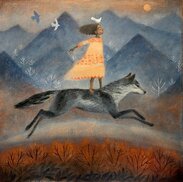
Inclusive & Equitable Teaching Practices EEA's vision is for environmental education and outdoor learning to benefit every child in Georgia. To address gaps in access, EEA spotlights effective models, advances equitable instructional strategies, offers professional learning workshops and courses to increase capacity, and partners with organizations that have demonstrated success in culturally-competent teaching. |
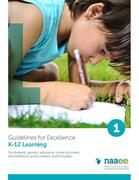
Guidelines for Excellence Institute As Georgia's designated 'Guidelines for Excellence in EE Institute', EEA is authorized to offer Guidelines for Excellence courses developed by the National Project for Excellence in Environmental Education. These Guidelines set the standards for high-quality environmental education and reflect best practices. Each guide was drafted by a diverse team and reviewed nationwide. |
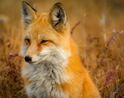
WILDLIFE VIEWING & ACTIVITIES
|
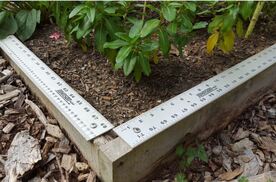
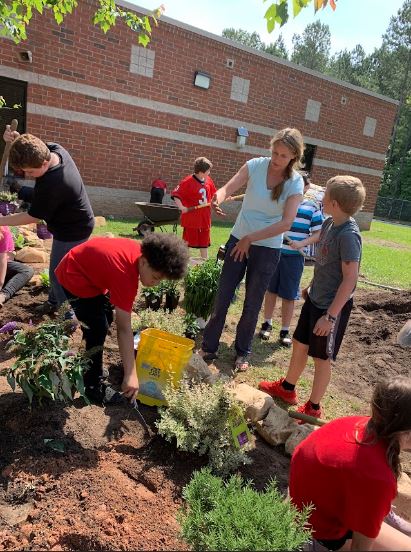
GARDEN-BASED LEARNING
|

CLIMATE CHANGE LESSONS
|
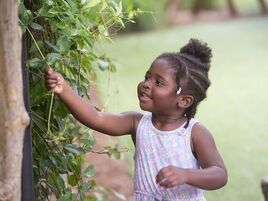
ENVIRONMENTAL JUSTICE
|
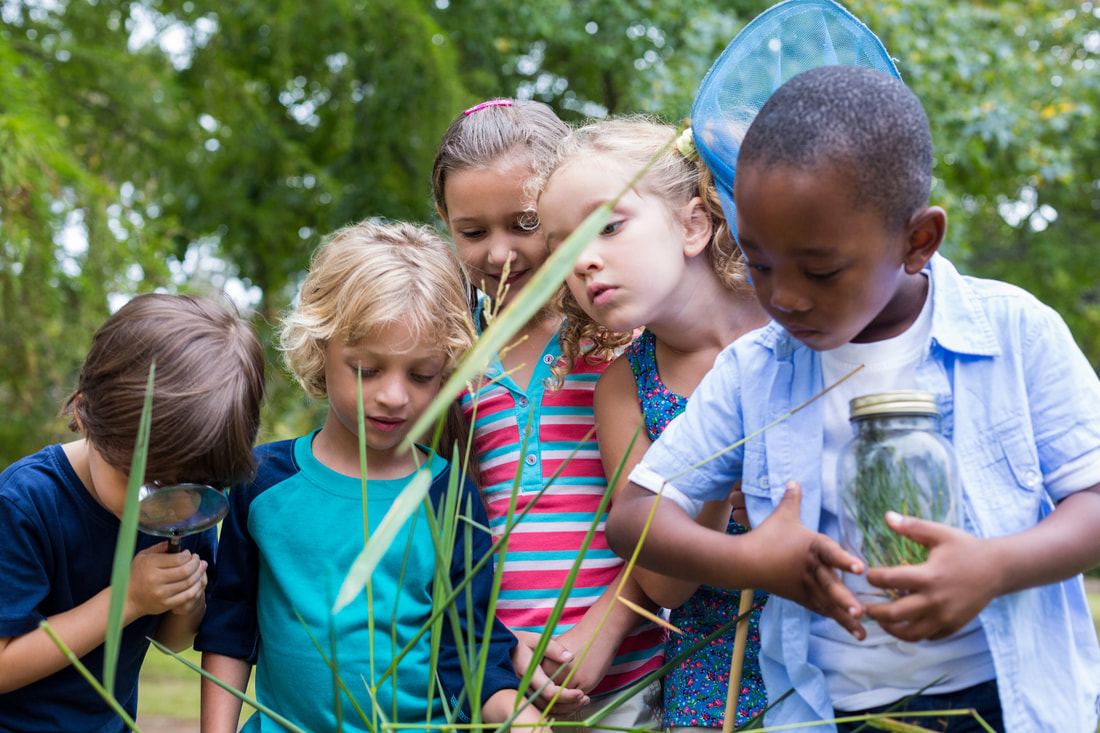
COMMUNITY (CITIZEN) SCIENCE
|
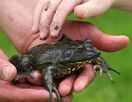
ECO-ENGINEERING CHALLENGES
|
EARTH MONTH ACTIVITIES
|
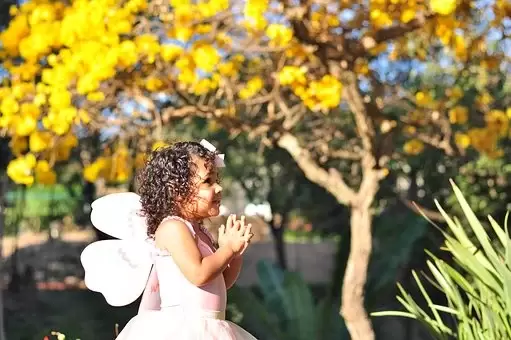
PBLs
|
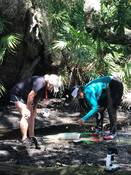
ENVIRONMENTAL ED
|
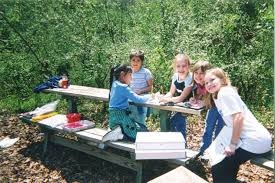
ENVIRONMENTAL CLUBS
|

ZERO WASTE HERO
|

EE Database EEA manages the EEinGeorgia website as a resource database of job listings, grant opportunities, contests, awards, lessons, and profiles of schools and environmental education providers. |

Memorial Forest The EEA Memorial Forest provides a way to commemorate loved ones who have contributed to the field of environmental education by planting trees in their memory around the state. |

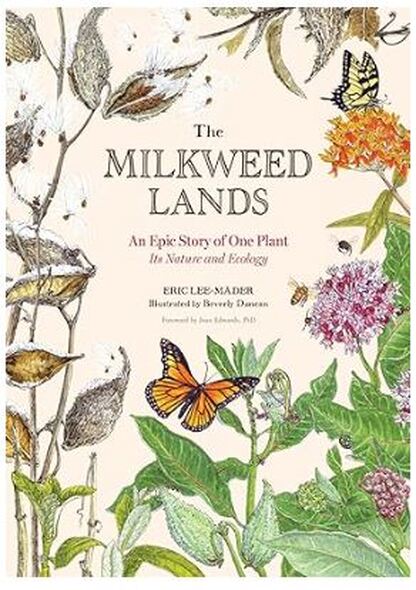
GreenSleeves EEA's virtual book club offers members a chance to discuss books and share ideas or reflections with each other. We are fortunate to have authors join us from time to time. |
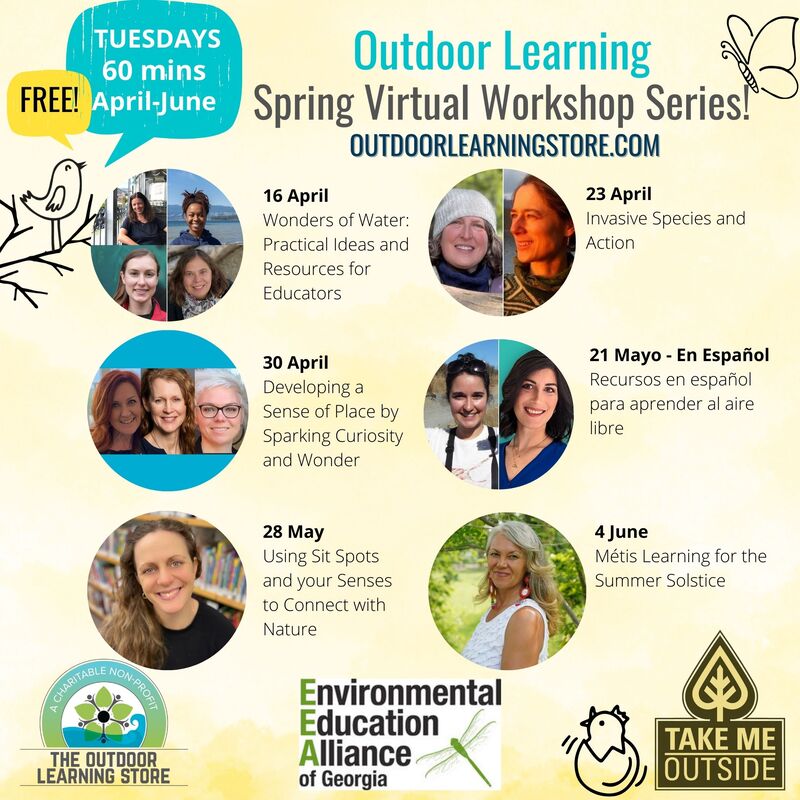
Outdoor Learning Store EEA has partnered with the Outdoor Learning Store to provide a non-profit source of teaching supplies. A percentage of sales from Georgia goes to EEA. Enter code eea22$%! for 5% off. |
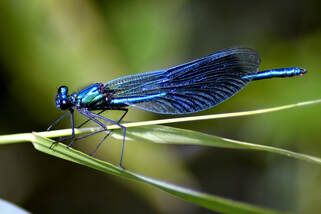
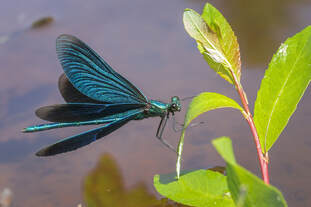
Dragonfly GrantsEEA's Dragonfly Grants inspire innovation by encouraging environmental educators to integrate performing and visual arts with learning experiences. |
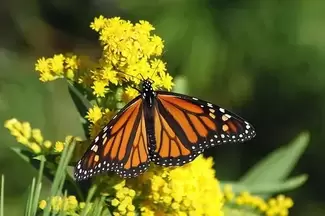
Pollinator Habitat Grants
EEA's Monarchs Across Georgia (MAG) Pollinator Habitat Grants encourage the creation or enhancement of native habitat for endangered monarch butterflies. |
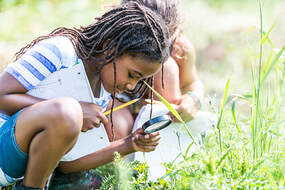
CoOL GrantsEEA's Council of Outdoor Learning offers grants to support schoolyard improvements, student supplies, professional learning, and/or field trips, whenever funds are available. |
|
Pandemic Considerations
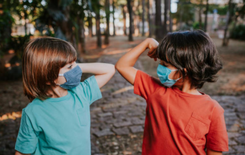
Click to read EEA's statement on ways that outdoor learning can contribute to safety and enable effective hands-on investigations during the pandemic and its aftermath. |
Outdoor Learning Toolkit
EEA's CoOL Toolkit for Outdoor Learning is a quick-start guide to creating outdoor learning spaces, managing students, and teaching outside classroom walls. |
Overcoming Obstacles
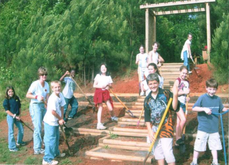
EEA's Tips and Techniques for Outdoor Learning are designed to help educators overcome challenges to outdoor learning. Many thanks to Jerry Hightower and Petey Giroux. |
Making the Case
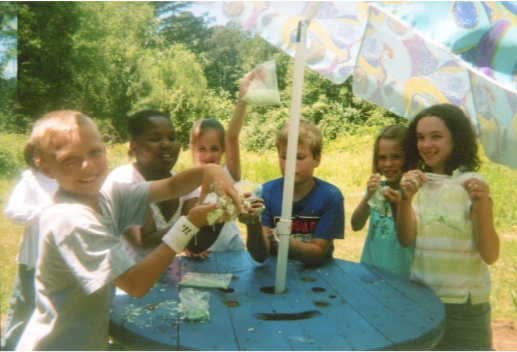
To provide evidence for outdoor learning, consider this research on academic gains, improved physical and mental health, and increased "agency" or ability to make a difference. |
|
|
|
|
|
|
|
For the cost of a cup of coffee, you can be a member of EEA. Pay as little as $3/month or $30/year in dues at the regular rate. EEA has a limited-time offer to JOIN or RENEW at the lower Nymph rate of $20. If you need a year of FREE MEMBERSHIP, email your request for the discount code to info@eealliance.org. You can catch up next year, when times are better. Until then, enjoy this opportunity to meet people, strengthen skills, and keep up with emerging trends and issues. And, if you do have funds to spare, feel free to click the GIVE button below to contribute to our Membership Fund, so we can continue to offer this special deal.
|

|
|
Waterfall Foundation Little Otter
|
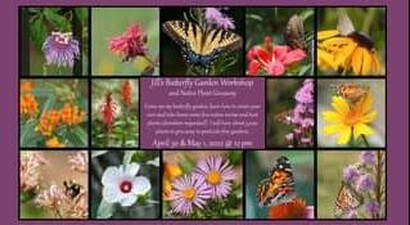
Jill's Butterfly Garden Workshop
|
|
|
|
|
Environmental Education Alliance, Inc.
P.O. Box 801066 | Acworth, GA 30101 EEA does not does not discriminate on the basis of race, color, national origin, sex, age, or disability in its program , activities, or employment. For more information on EEA's non-discrimination commitment click here . Grievance officer may be contacted at info@eealliance.org |